Solo travel can be rewarding, but risks differ by destination, current conditions, activities and personal circumstances. Preparation supports better decisions; it cannot guarantee a safe trip. Start with current official advice and choose plans that fit your experience and comfort level.
That said, smart preparation makes a real difference. Not paranoid, can’t-enjoy-anything preparation, just sensible stuff that lets you relax and actually have fun.
Still wondering whether solo travel is safe at all? Here’s the honest answer, including what actually tends to go wrong and how travelers handle it. This guide picks up from there.
Here’s what actually matters for staying safe as a solo traveler.

Before You Leave: The Boring But Important Stuff
Do Your Homework
You don’t need to become an expert on your destination, but spend some time understanding:
- What are the current conditions? Start with official travel advice, then use recent local information to understand the specific areas and activities you are considering.
- Any cultural things to know? Dress codes, customs, things that might be offensive without meaning to be.
- Common scams? Every tourist destination has them. Knowing the local tricks helps you spot them.
- Where should you stay? Research neighborhoods. The lowest price in a central location sometimes means “sketchy”. Read recent reviews from other solo travelers before booking.
Tell Someone Your Plans
This one’s non-negotiable. Someone at home should know:
- Where you’re staying (addresses, not just “somewhere in Rome”)
- Your rough itinerary
- How to reach you
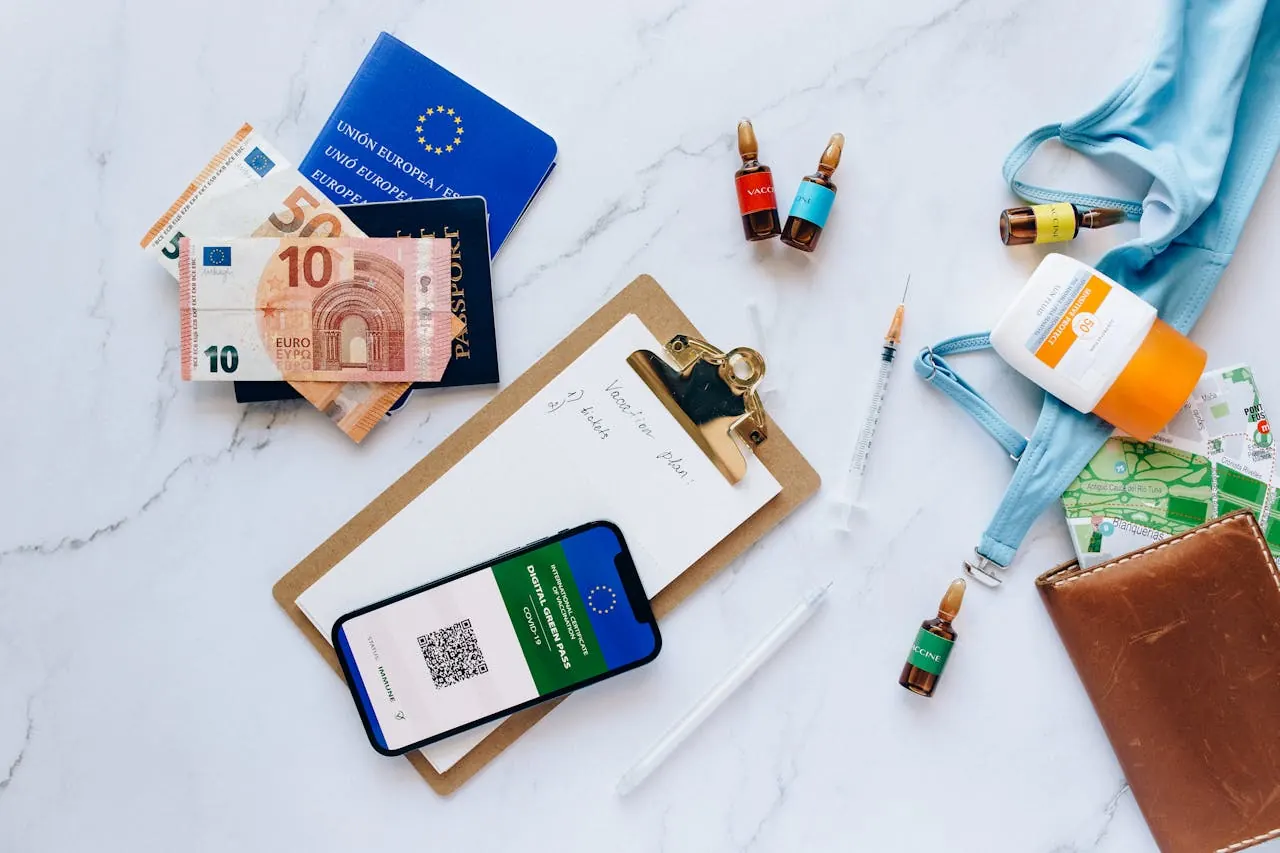
- Copies of important documents (passport, insurance info)
You’re not being dramatic. You’re being smart. Plus, it’ll make your mom feel better.
Get Your Emergency Stuff Sorted
- Travel insurance. Check cover for your destination, activities, medical needs and possible evacuation; review exclusions before buying.
- Check your government’s travel-alert or registration service. Availability depends on nationality. Registration does not guarantee that officials can locate or evacuate you.
- Save important numbers. Local emergency services, your embassy, your insurance company. Save them in your phone AND write them down somewhere.
Where You Stay Matters More Than You Think
Your accommodation choice impacts your safety more than most people realize.
Pick the right location. Central, well-lit areas near public transportation are worth paying a bit more for. That “great deal” in a sketchy neighborhood isn’t actually a great deal.
Read reviews carefully. Look specifically for mentions of safety, security, and solo traveler experiences. If multiple reviews mention feeling unsafe, believe them.
Check the security situation. 24-hour reception, secure locks, safes, and security cameras all matter. For your first night in a new city especially, book somewhere reliable.
Once you’re there:
- Always lock your door, even when you’re inside
- Use the peephole or chain before opening for anyone
- Know where the emergency exits are
- Keep a flashlight accessible (phone flashlight counts)
- Don’t advertise that you’re alone
Traveling solo as a woman? The fundamentals are the same, but arrival timing, room choice, and getting around at night are worth planning in more detail. Our guide to solo female travel safety covers those specifics.
Getting Around Without Getting Into Trouble
Taxis and Rideshares
- Use official taxi stands or reputable apps, not random cars that approach you
- Share your ride details with someone (most apps make this easy)
- Choose a seat where you feel comfortable, keep your belongings with you and check the vehicle and driver details
- Keep your phone charged and GPS active
- If something feels wrong, seek a safe public place to stop and contact help as appropriate; do not leave a moving vehicle
Walking Around
- Stick to well-lit, populated areas after dark
- Stay aware of your surroundings and pause in a suitable public place to check directions
- Keep your phone and valuables out of sight
- Bags worn cross-body with zippers facing inward
- If you’re using your phone for directions, step aside somewhere safe rather than walking and staring at your screen
The Confidence Thing
It is fine to stop and ask for help. If you need to check directions, use a suitable public place such as a shop or cafe. Confidence alone does not make an area safe, and responsibility for harmful behavior lies with the person causing it.
Your Phone Is Your Best Friend (Protect It)
Your phone is your map, translator, connection to home, and lifeline. Treat it that way.
- Keep it charged. Carry a portable battery.
- Protect it. Use strong passwords, enable find-my-phone, and know how to remotely wipe it if needed.
- Have backup access. What if your phone dies or gets stolen? Know important numbers by heart or have them written somewhere.
- Use secure connections. Keep your device updated, avoid suspicious login prompts and use a trusted connection for sensitive account activity.
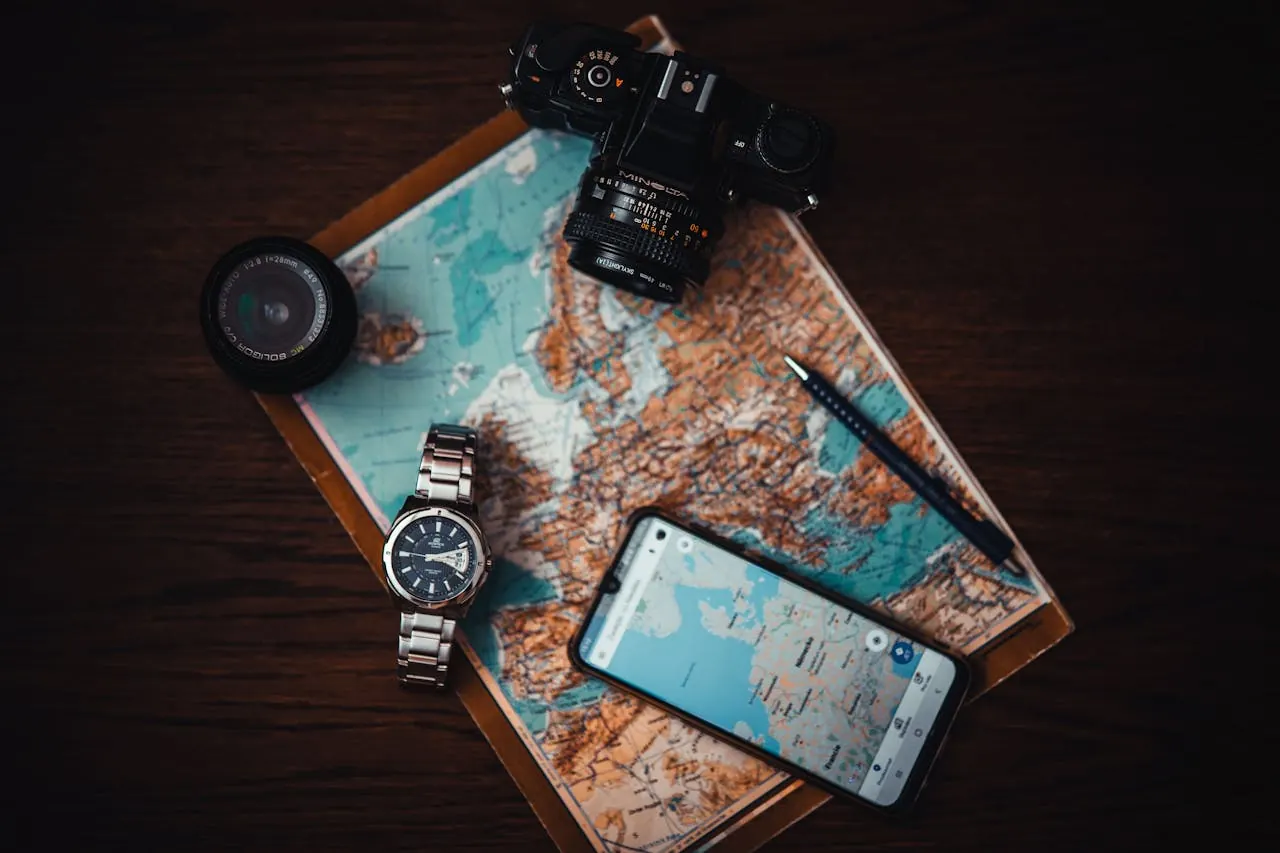
- Check offline maps. Download the area you need and test the navigation mode. Google Maps offline navigation has limits; walking, cycling and transit directions require a connection.
Meeting People (Safely)
One of the best parts of solo travel is the people you meet, and apps that help you find travel companions make it easier to find a compatible travel buddy before you even land. Common sense still applies:
With other travelers:
- Meet in public places first
- Join organized activities (walking tours, hostel events, classes) where there’s built-in structure
- Trust your instincts about people
- You don’t owe anyone your time or personal information
Nightlife and going out:
- When you’re meeting a group for the first time, start somewhere public and busy
- Tell someone where you’re going and when you expect to be back
- Watch your drink. Always. Set it down? Get a new one.
- Sort out your own way back before you head out, so you’re never depending on someone else’s plans
- Set a personal end time, especially in a city you’re still learning
Using travel apps:
- Choose apps with identity verification (like Sorom)
- Video chat before meeting in person
- Use in-app messaging until you trust someone
- Meet in public, share your location with a friend
Understand safety-tool limits. The Sorom mobile safety toolkit includes check-ins, configured emergency contacts, a panic button and a meetup PIN. Features and eligibility vary by plan and platform. Alerts depend on permissions, connectivity and service availability; a PIN does not establish government identity or guarantee safety. Set up a backup contact plan and call local emergency services directly when urgent help is needed.
The Health Stuff
Getting sick while traveling alone is rough. Minimize the chances:
- Speak with a healthcare professional before travel. Discuss your itinerary, health history, vaccines and any destination-specific medicine needs; see CDC’s preparation guidance.
- Prepare a personal health kit. Ask a clinician or pharmacist what is appropriate for you, bring your prescribed medicines and check destination import rules; see CDC’s packing guidance.
- Know where the nearest hospital/clinic is. Research this before you need it.
- Stay hydrated, sleep enough, eat reasonably. Basic health stuff matters more when you’re far from home.
When Things Go Wrong
Sometimes they do. Here’s how to handle it:
Stay calm. Easier said than done, but panic doesn’t help. Take a breath and assess.
Know who to call. Local emergency number (it’s not always 911), your embassy, your insurance company, your emergency contact at home.
Document everything. Photos, police reports, receipts. If you need to file an insurance claim or report something, you’ll need proof.
Ask for help. Hotel staff, other travelers, locals: most people want to help. Don’t be too proud to ask.
The Most Important Safety Tip
Trust your gut.
That situation that feels sketchy? Leave. That person giving you weird vibes? Distance yourself. That “amazing deal” that seems too good? It probably is.
You’ve developed instincts your whole life. They work abroad too. Don’t override them because you don’t want to be rude or seem paranoid.
You’ve Got This
Review your plans against current conditions and change them if needed. No checklist or app can eliminate risk. For official guidance, see Smartraveller’s solo-travel advice and your government’s destination information. If this is your first time going it alone, our first-time solo travel guide covers everything else you’ll want to know.
Now go explore.
Download Sorom for safety features that help you travel confidently, including GPS check-ins, emergency contacts, and travel companion matching.
Spread the word